Our work lives where bees and agriculture meet.
We pair field science with real partnerships — ranchers, winemakers, scientists, and communities — to make working lands better for bees, and bees better understood by all of us.
BEES ON
RANCHLANDS
Can vineyards and ranches be refuges for bees — and for people? On working lands across the West, we study where bee communities are thriving and why, then support more landowners to build the soil, flowers, and nesting habitat that bees need.
Bison & Bee Habitat
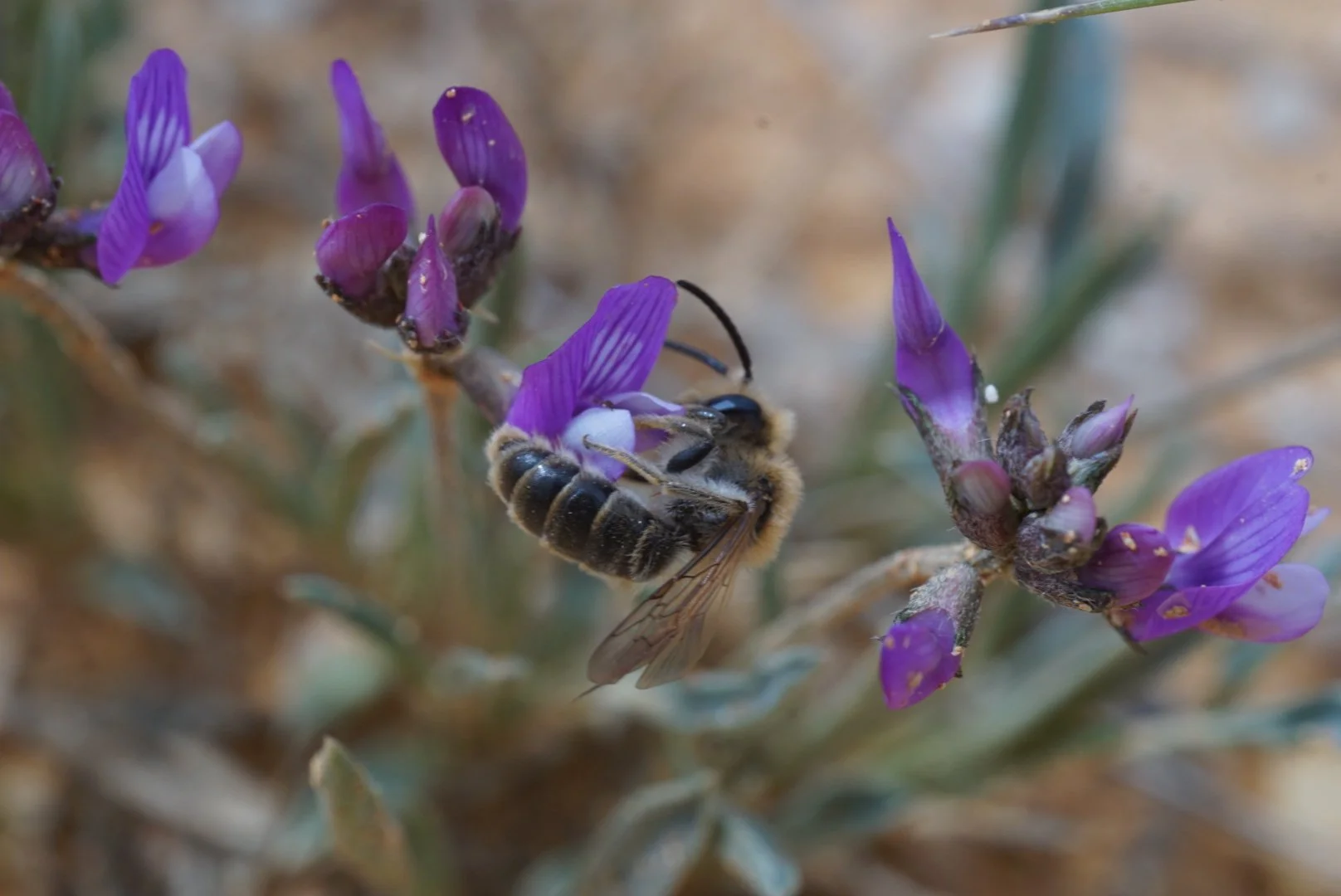
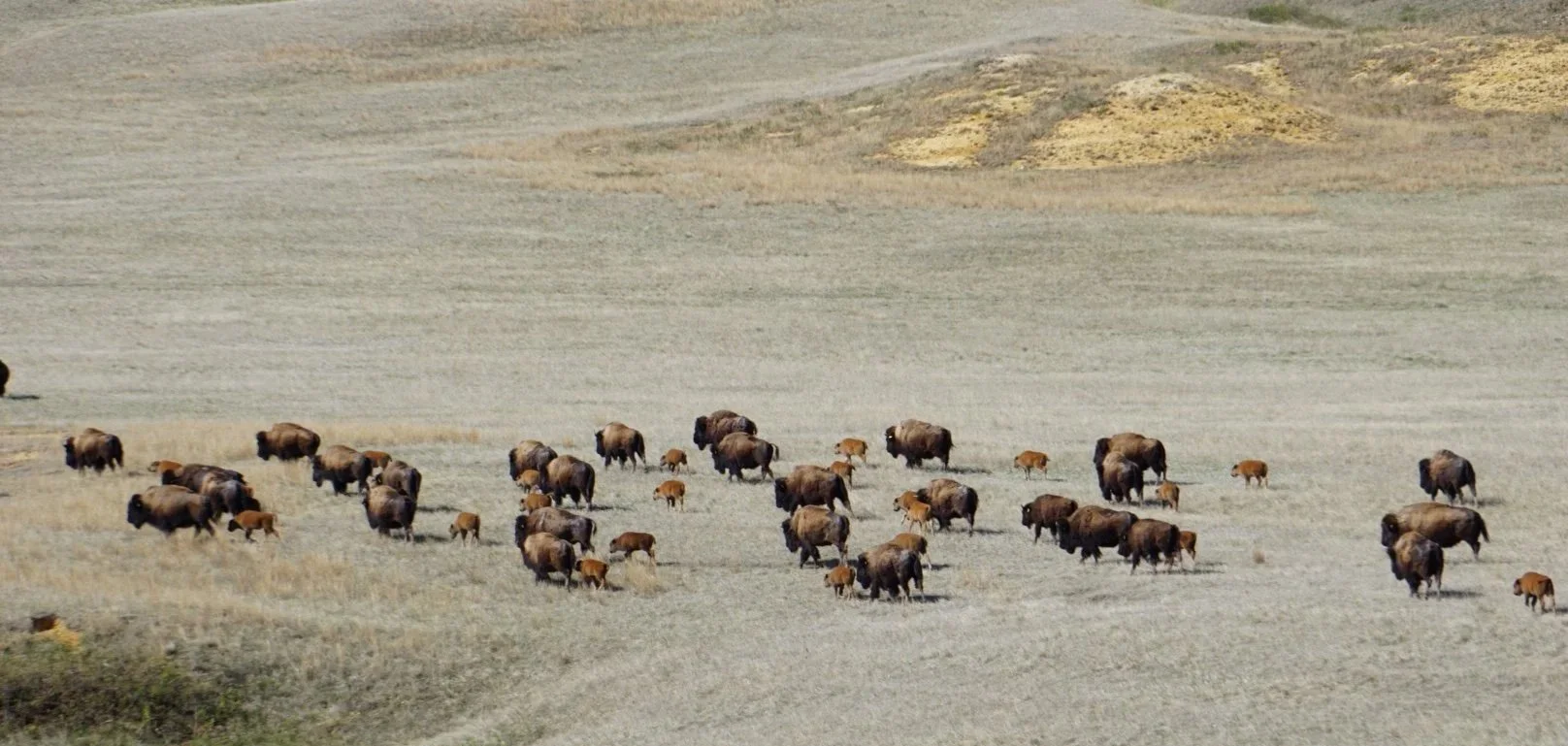
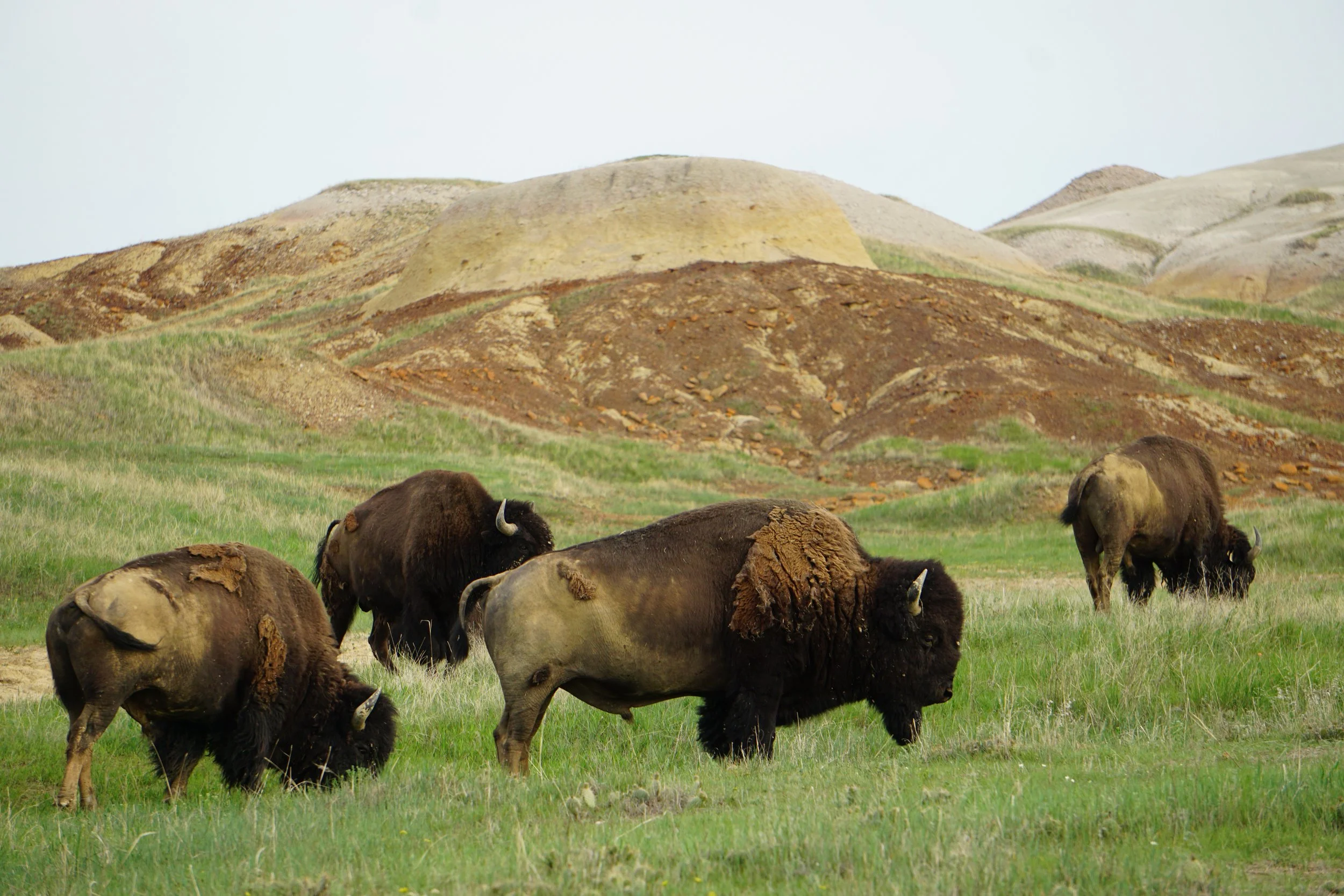
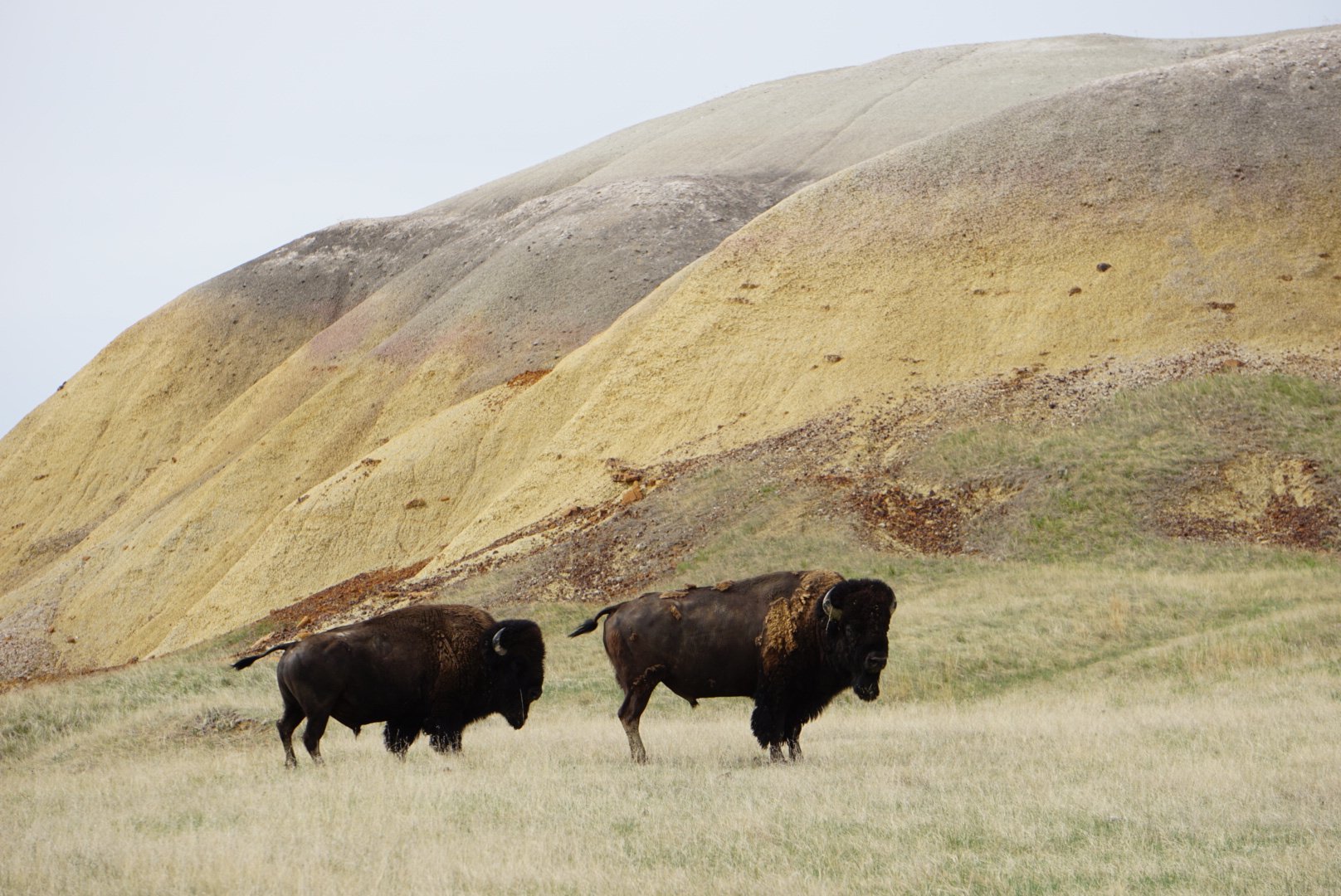
On the plains of South Dakota and the prairies, meadows, and mountains of Montana, we're testing a simple idea: bison, managed as they once roamed, rebuild habitat for bees. Our team has documented nearly 90 native bee species at our flagship Dakota Partnership Ranch — including the endangered Southern Plains bumble bee (Bombus fraternus) and the first South Dakota records of the Banks' cuckoo leafcutter bee (Coelioxys banksi) and the goldenrod long-horned bee (Melissodes microsticta). At North Bridger Bison in Montana, we turned up a rare long-horned bee (Melissodes grindeliae) with no prior records in global databases for Montana — her first-ever documented sighting in this state. We're excited to see which new bees show up at our newest partner ranch, the Flying C. Our early research shows how bison act as bee habitat engineers in ways that other livestock don't — wallowing, spreading seed in their shed fur, loosening soil with their sharp hooves, and grazing grasses while leaving the wildflowers bees depend on.
Coexistence in the Greater Yellowstone
What happens to bees when ranchers make room for wildlife? In the Greater Yellowstone Ecosystem, we partner with ranching families who are widening what a working ranch can be — sharing their land with wolves, grizzlies, and beavers, and tending cattle in ways that keep the whole ecosystem healthy. On ranches like J Bar L in the Centennial Valley, Crazy D tucked between the Crazy Mountains and the Absaroka-Beartooth range, and the Anderson Ranch and Grizzly Creek in the Tom Miner Basin, that looks like moving cattle in low-stress herds, riding the range on horseback, and using tools like fladry and virtual fencing to keep both livestock and wildlife (even predators) safe. On these working lands, we've documented 118 native bee species — including the rare western bumble bee (Bombus occidentalis) in a mountain pasture co-grazed by grizzly bears and cattle, and the tiny deceptive fairy bee (Perdita fallax), so easily overlooked it had never been recorded in Montana before. Our research asks whether sharing the land with wildlife is also a key to bringing bees back — and so far, the answer looks like yes.
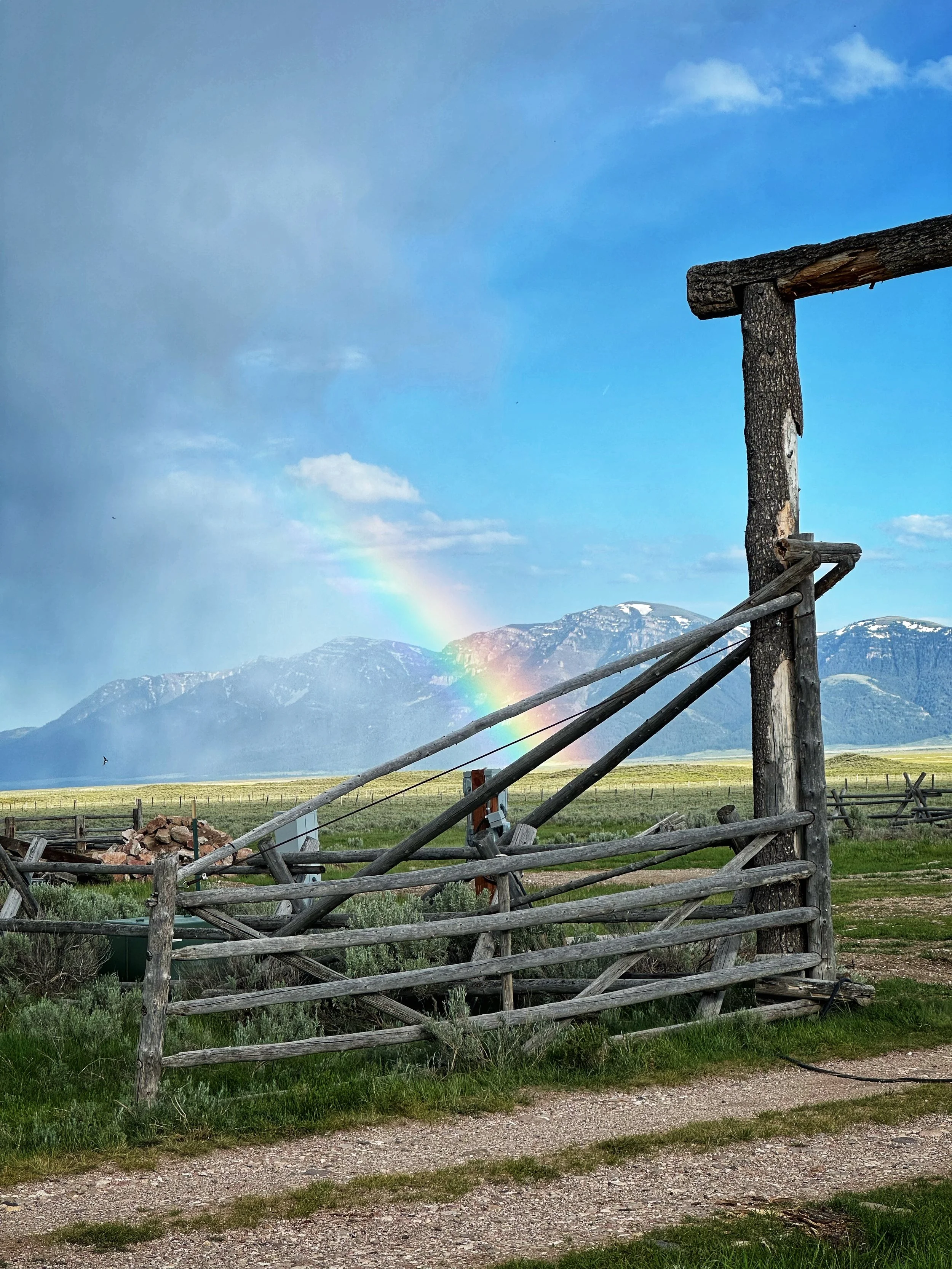
BEE FRIENDLY VINEYARDS
Great wine starts with living soil — and living soil needs bees. Through our Bee Friendly Vineyards program, Bee Regenerative partners with wineries to build pollinator habitat in and around the vines: more flowers, fewer chemicals, healthier ground.
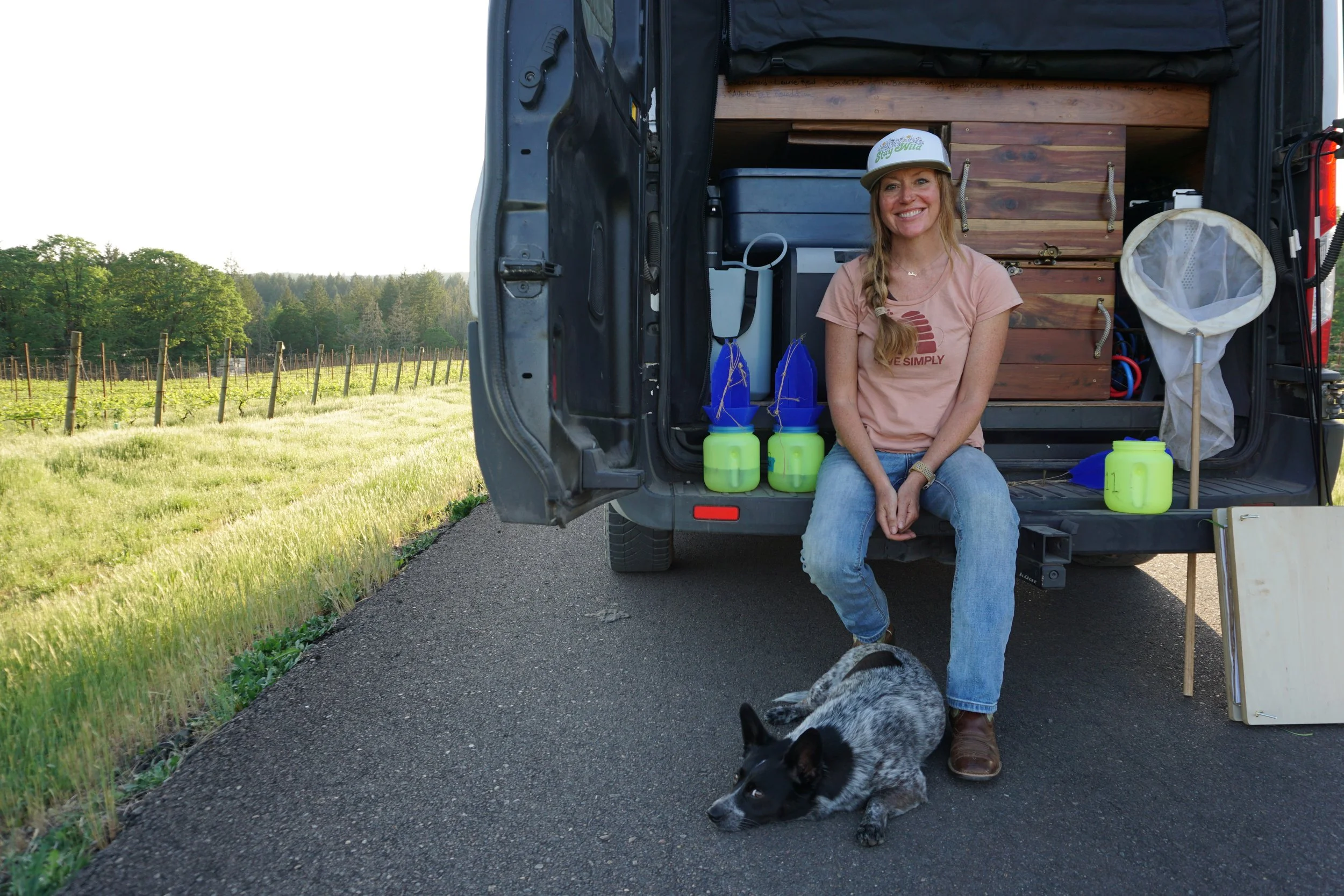
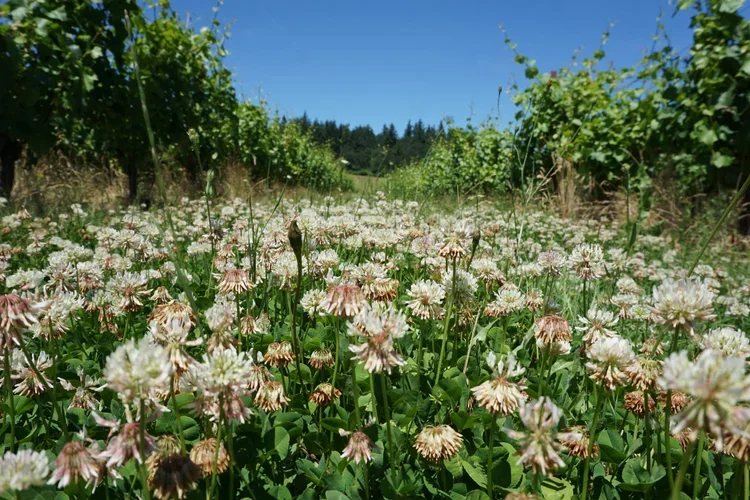
Working shoulder-to-shoulder with growers in Southern Oregon and Northern California, we plant native bunchgrasses and wildflowers, ease back on tillage (about 70% of native bees nest in the soil), and cut back the sprays that harm bees and their natural allies. We've planted 200+ perennial plants and hundreds of pounds of diverse flower seed mixes across 250+ acres at seven vineyards — then we track the wild bees that move in, because a vineyard humming with bees is a sign of an ecosystem coming from a pollinator desert back into balance. It's free to our partners, and every bottle becomes a small act of conservation.
Current partners include:
Troon Vineyard & Farm, Upper Five, Mariah Vineyards, DIRT Wine, Weisinger Family Winery, and Sound & Vision.
Past partners are:
Irvine & Roberts Vineyard, Trisaetum Winery, and Hope Well Wine.
BEETREAT
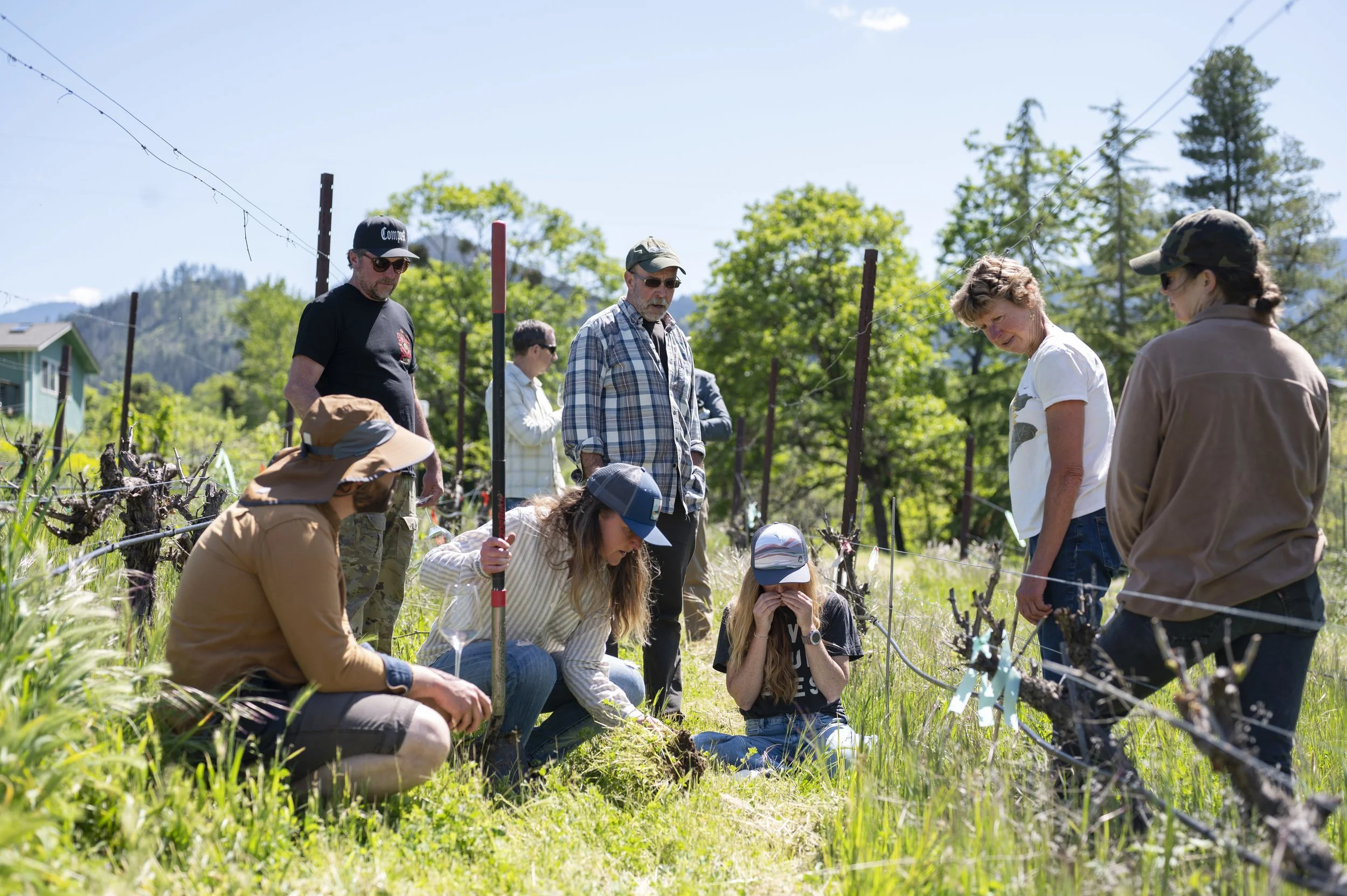
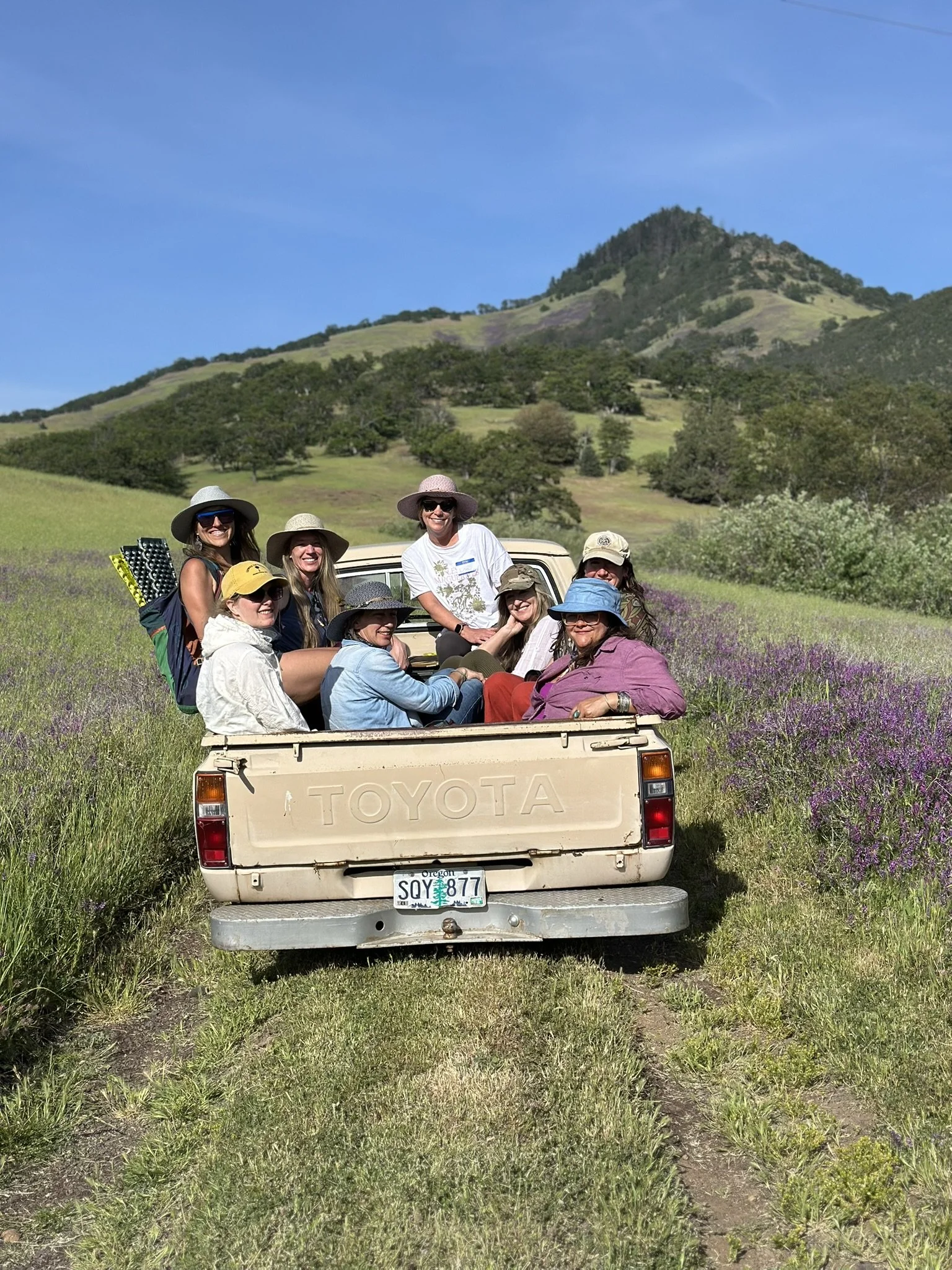
Beetreat is our annual retreat on the land — time to slow down, learn bee science hands-on, and reconnect with the natural world and each other. Days move from the apiary to the meadow: gentle beekeeping with hives as therapy animals, a native bee and botany hike, nature journaling, art to take home, ranch-to-table meals, and a toast with wine from our Bee Friendly Vineyard partners.
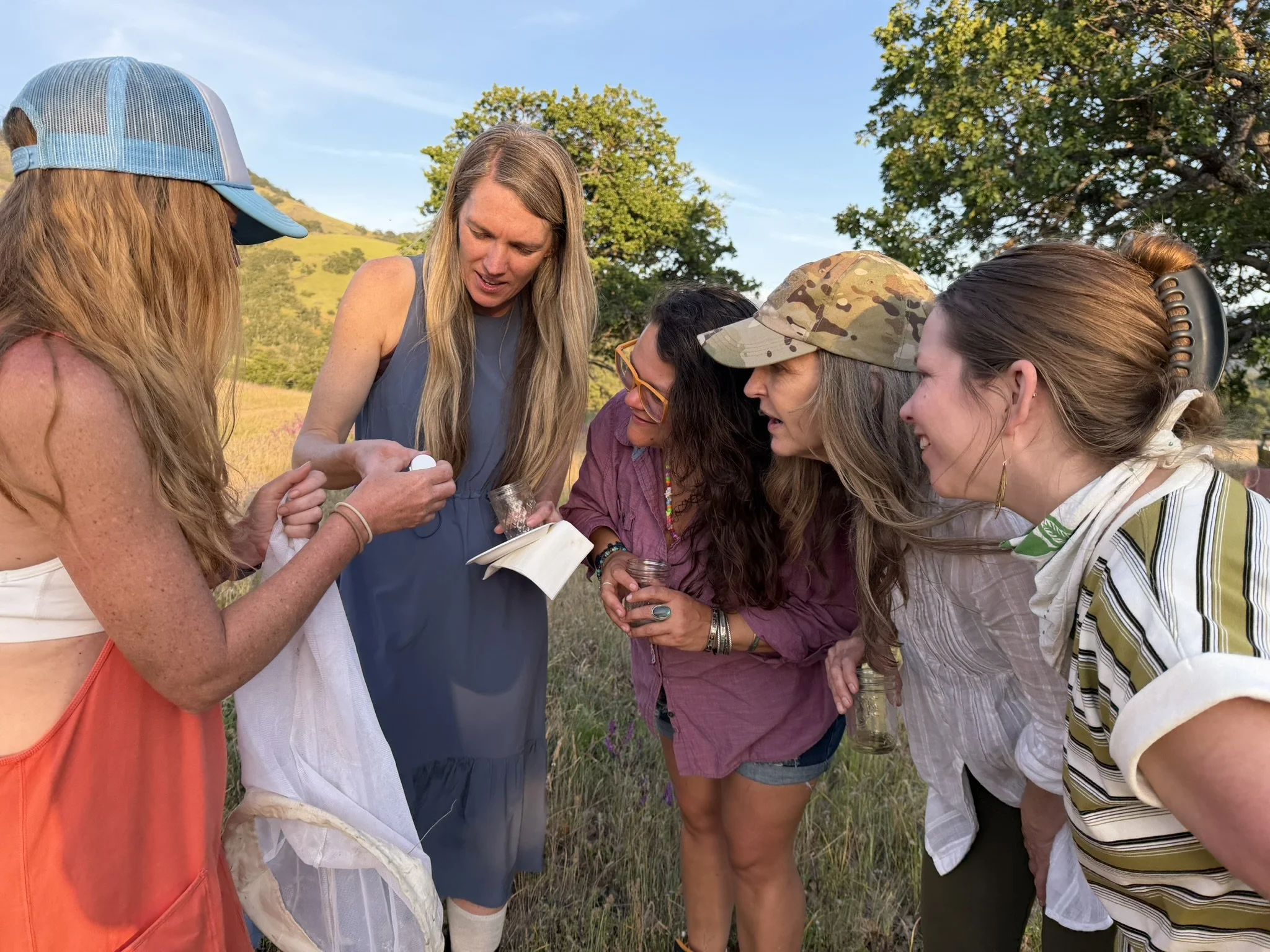
Each “Beetreat” carries its own theme and community — our first, in Ashland, Oregon, gathered women who work the land; others welcome all women. You leave with new knowledge, real community, and a deeper love for bees.
No beekeeping experience, or desire to learn beekeeping, required! This is a retreat space to rest, relax, and connect with yourself and others through bees — not a rigorous or intimidating beekeeping workshop.
Upcoming Retreat
The Heart of the West Beetreat
at J Bar L Ranch in Montana's Centennial Valley, a remote jewel of the West. Coming in 2027
Open to all women.
→ Learn more
BEE HOPEFUL
For a decade, our founder, Sarah Red-Laird, traveled the world teaching kids to love bees — from school groups in rural Tanzania to an environmental school in Yorkshire, England; from World Bee Day keynotes in a suburb of New Orleans to summer camps with science museums and beekeeping labs across the country — and directed the American Beekeeping Federation's “Kids and Bees” program for 10 years.
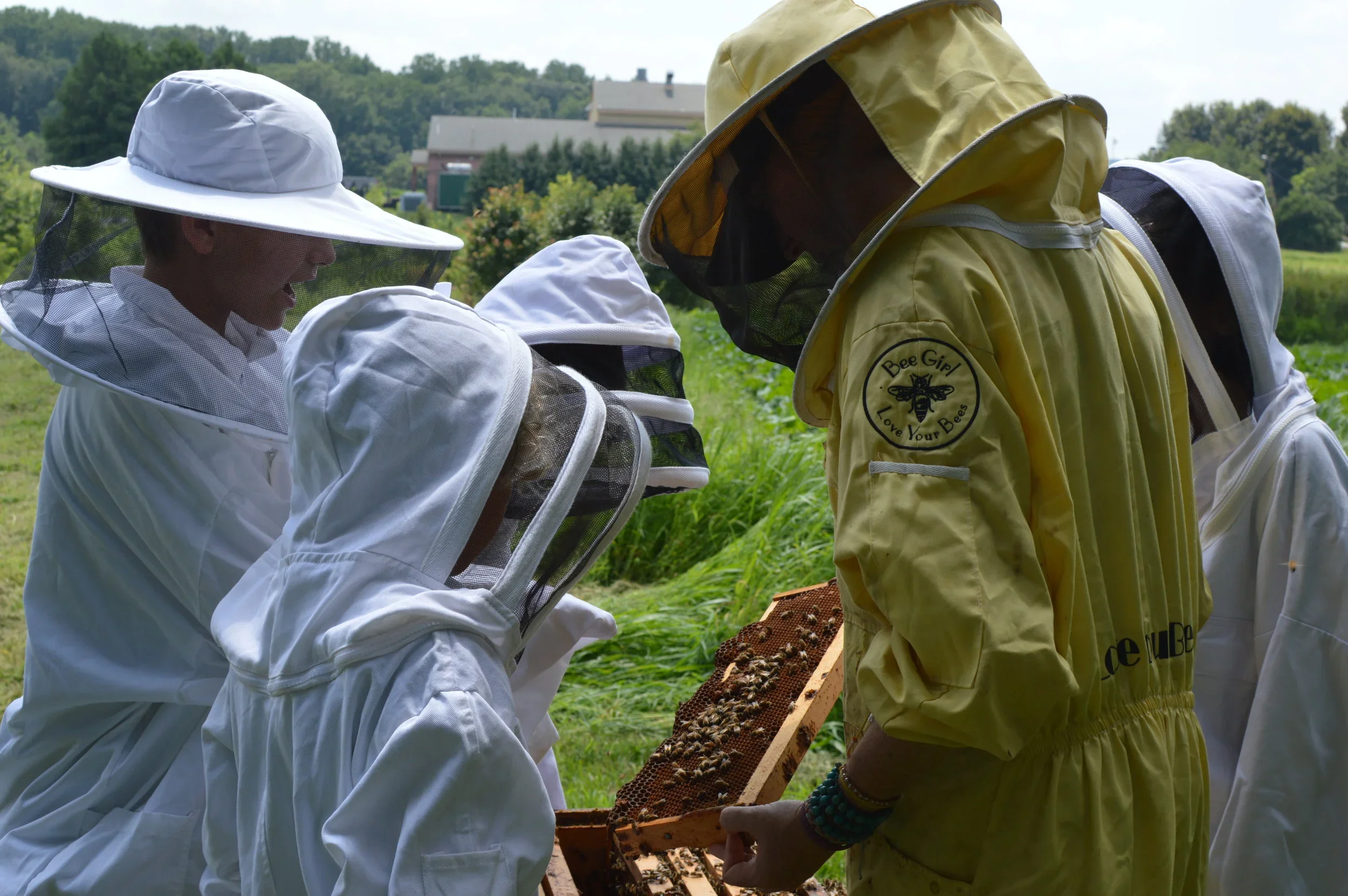
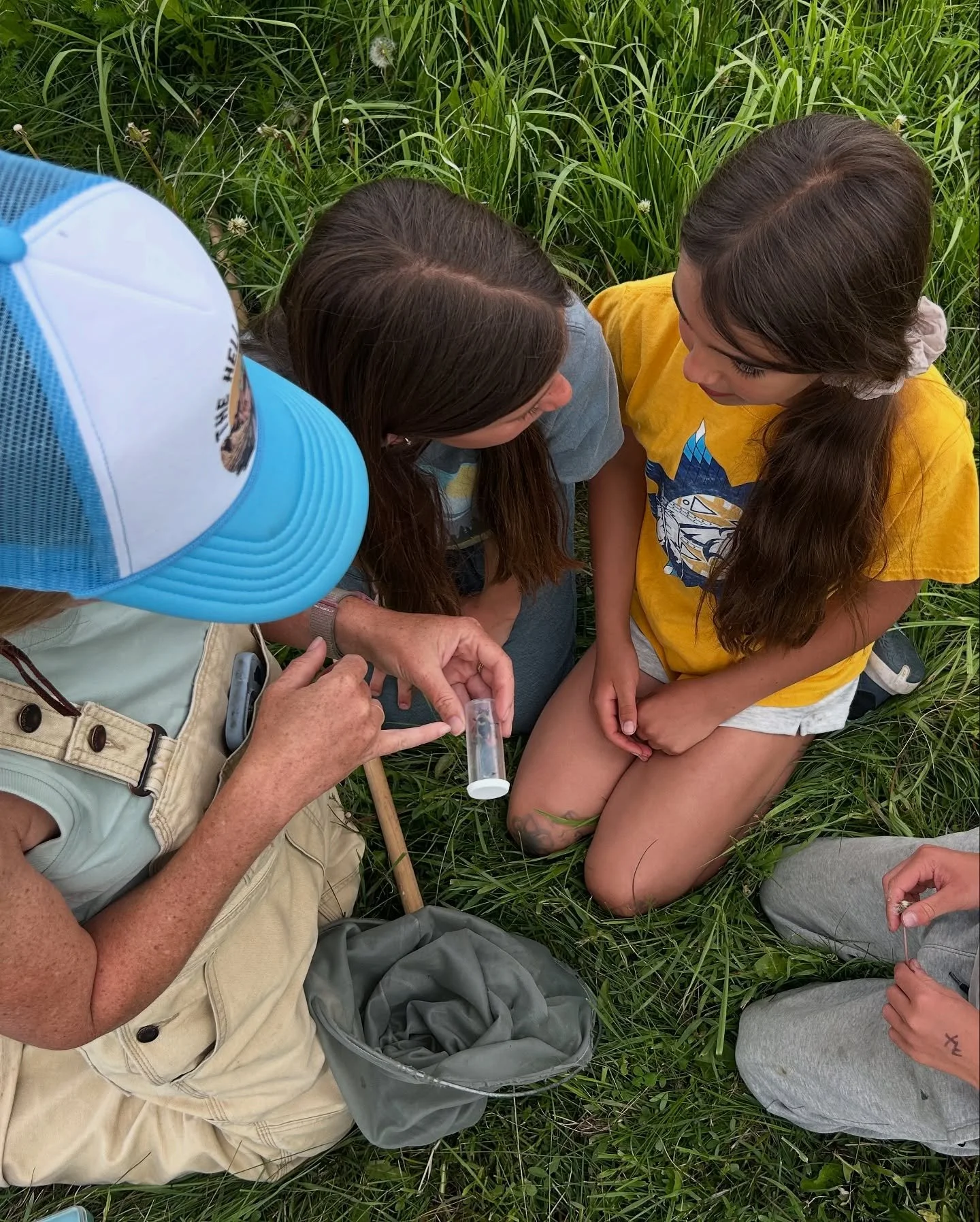
Today, Bee Hopeful lives where our conservation work and the next generation meet. Rather than running classroom programs, we bring kids onto the working lands we study — teaming up with ranchers and fellow nonprofits to teach bees in the places they actually live. In 2025, that looked like a hands-on field day at North Bridger Bison with the Xerces Society's Bumble Bee Atlas, where Sarah showed Bozeman Outdoor School's senior class how bison and native bees shape the landscape together.
We also build tools that put bee education in more hands. We're rebuilding our free Kids and Bees curriculum into two new editions — one for classroom teachers, one for beekeepers who want to teach kids about bees — both due out by the end of 2026. And Sarah consults on children's books about bees: one collaboration, around Shabazz Larkin's The Thing About Bees: A Love Letter, became an education pack — the book paired with a standards-aligned classroom curriculum our team built around it. Maȟpíya Lúta (formerly Red Cloud Indian School) on the Pine Ridge Reservation brought it into their food sovereignty program, translating the materials into Lakota to teach their kids about bees.
→ The Thing About Bees curriculum
→ Build With Bees curriculum
→ Donate to support this work