
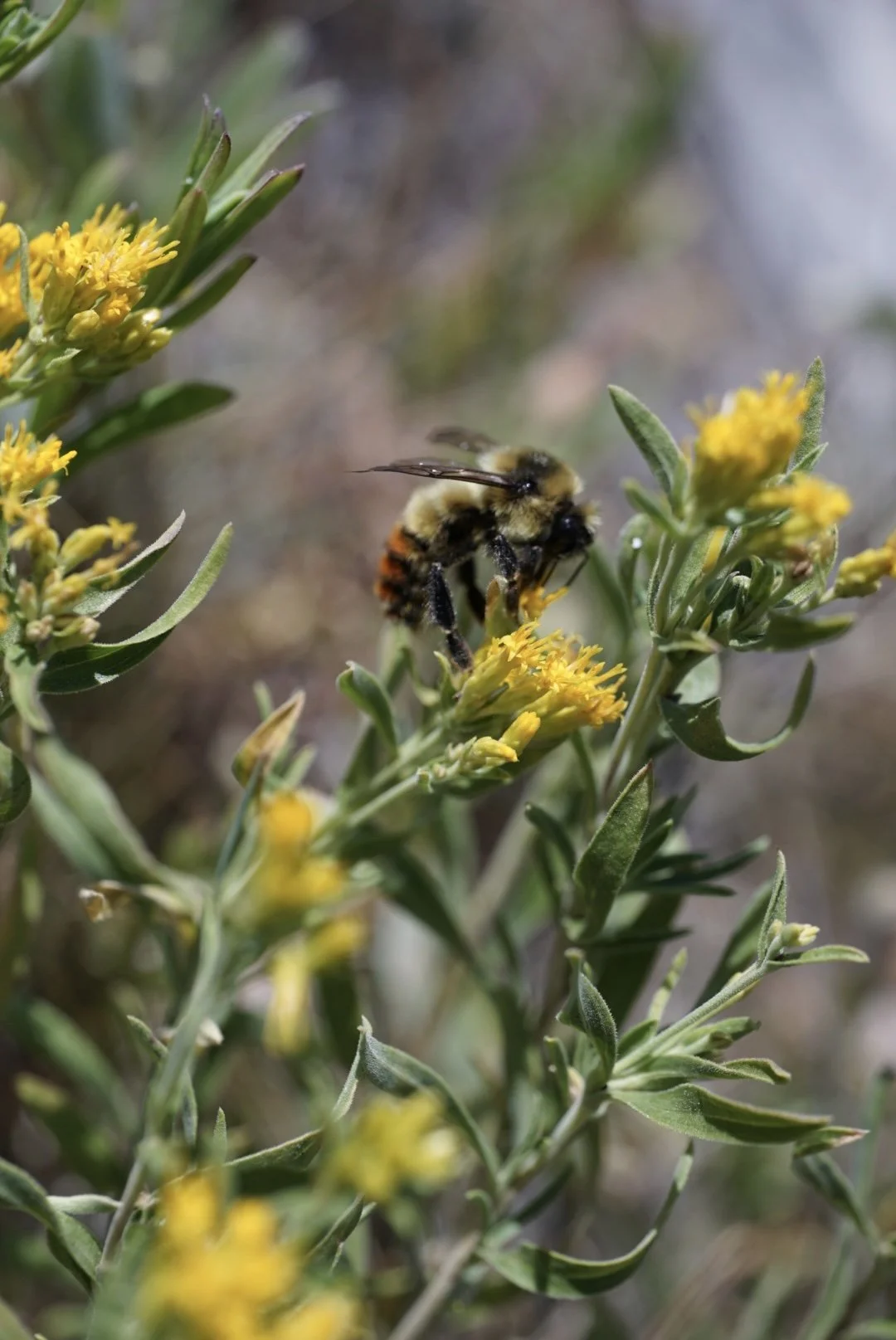
There's a place for everyone in this work.
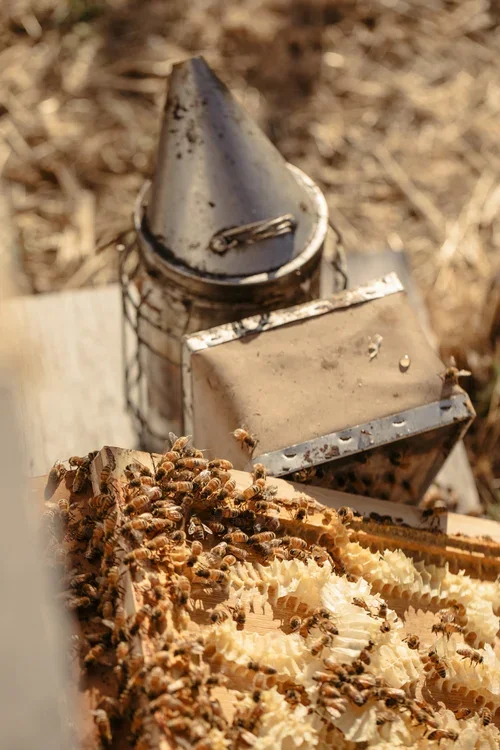
FOR WINE LOVERS
& FOODIES
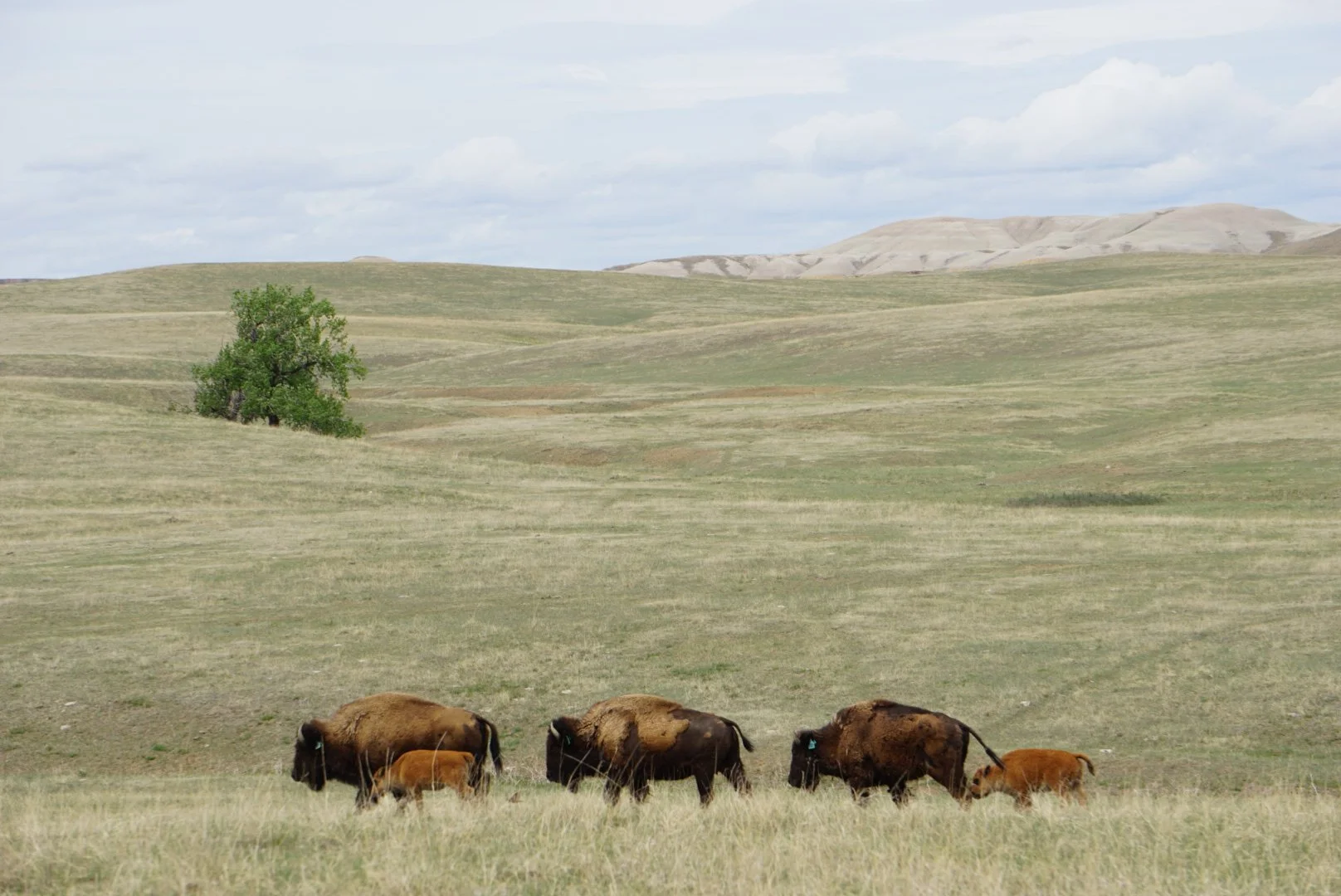
FOR RANCHERS
& GROWERS
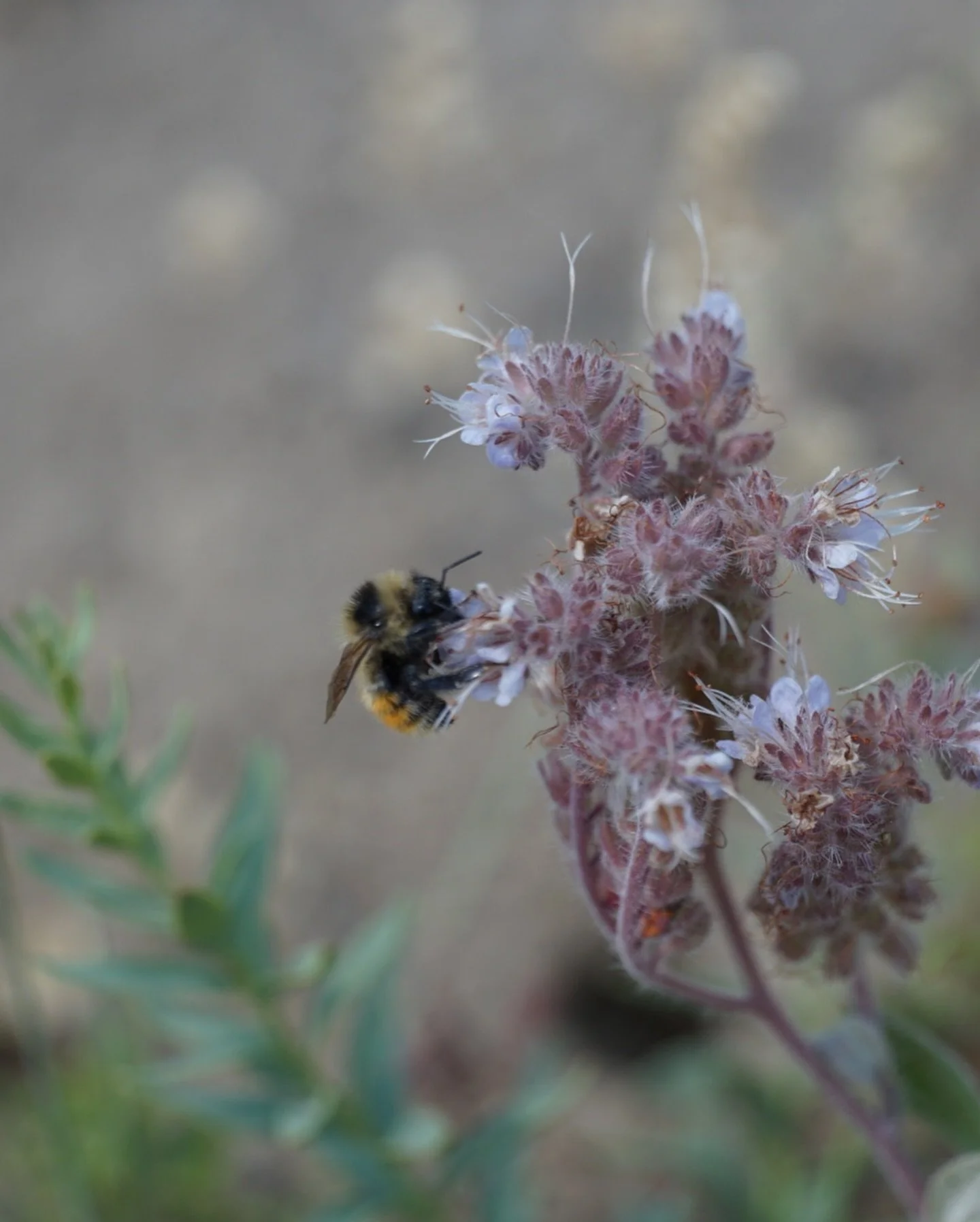
FOR BEES IN
YOUR BACKYARD
FOR
DONORS
Shop as conservation. Every bottle, jar, and cut from our partners helps fund habitat for bees — and supports producers healing the land.
FOR WINE LOVERS & FOODIES
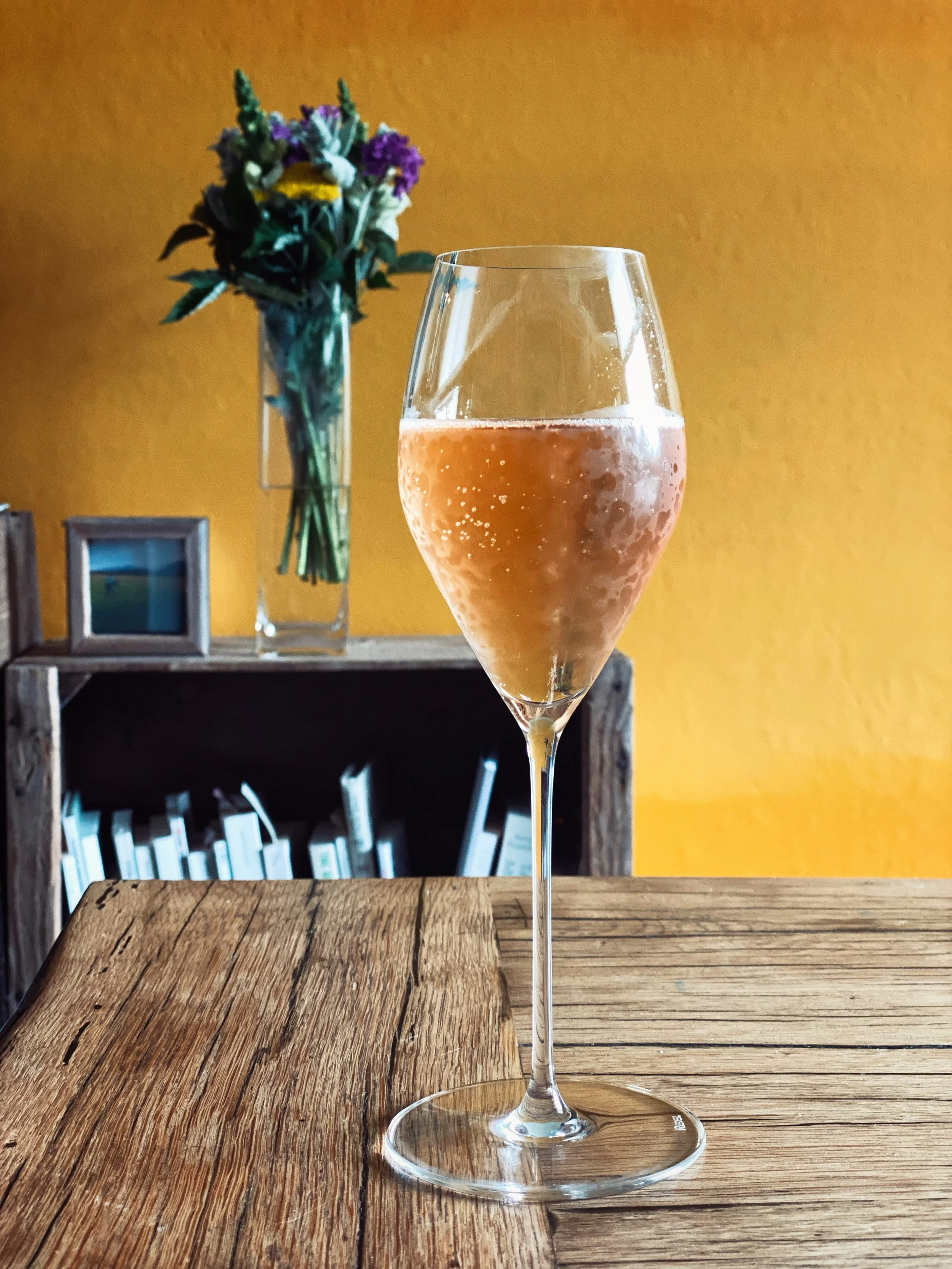
Wine
Bee Friendly Vineyard partners:
Troon Vineyard & Farm (Applegate Valley, OR)
Oregon's only Demeter Biodynamic and Regenerative Organic Certified winery. Visit →
Upper Five (Talent, OR)
A small, high-elevation Rogue Valley vineyard, and the first in Southern Oregon certified Organic; now Demeter Biodynamic as well. Visit →
Mariah Vineyard (Mendocino, CA)
Family-owned, dry-farmed, and the first vineyard verified under Savory's regenerative Land to Market program. Visit →
Weisinger Family Winery (Ashland, OR)
Ashland's original craft winery since 1988, making small-lot wines from local fruit. Visit →
Sound & Vision (Rogue Valley, OR)
Minimalist, low-intervention wines from distinctive small-lot vineyards. Visit →
DIRT Wine (Mendocino, CA)
Radically transparent, nature-positive wines; among the first in the world to earn Savory's regenerative Land to Market verification. Visit →
Past partners:
Irvine & Roberts (Ashland, OR)
Estate Pinot Noir and Chardonnay farmed with organic, regenerative, and Salmon-Safe practices. Visit →
Trisaetum (Ribbon Ridge, OR)
Family-owned, dry-farmed wines from estates that keep at least half their land as natural habitat. Visit →
Hope Well Wine (Willamette Valley, OR)
Regenerative, habitat-rich farming and native-cover vineyards. Visit →
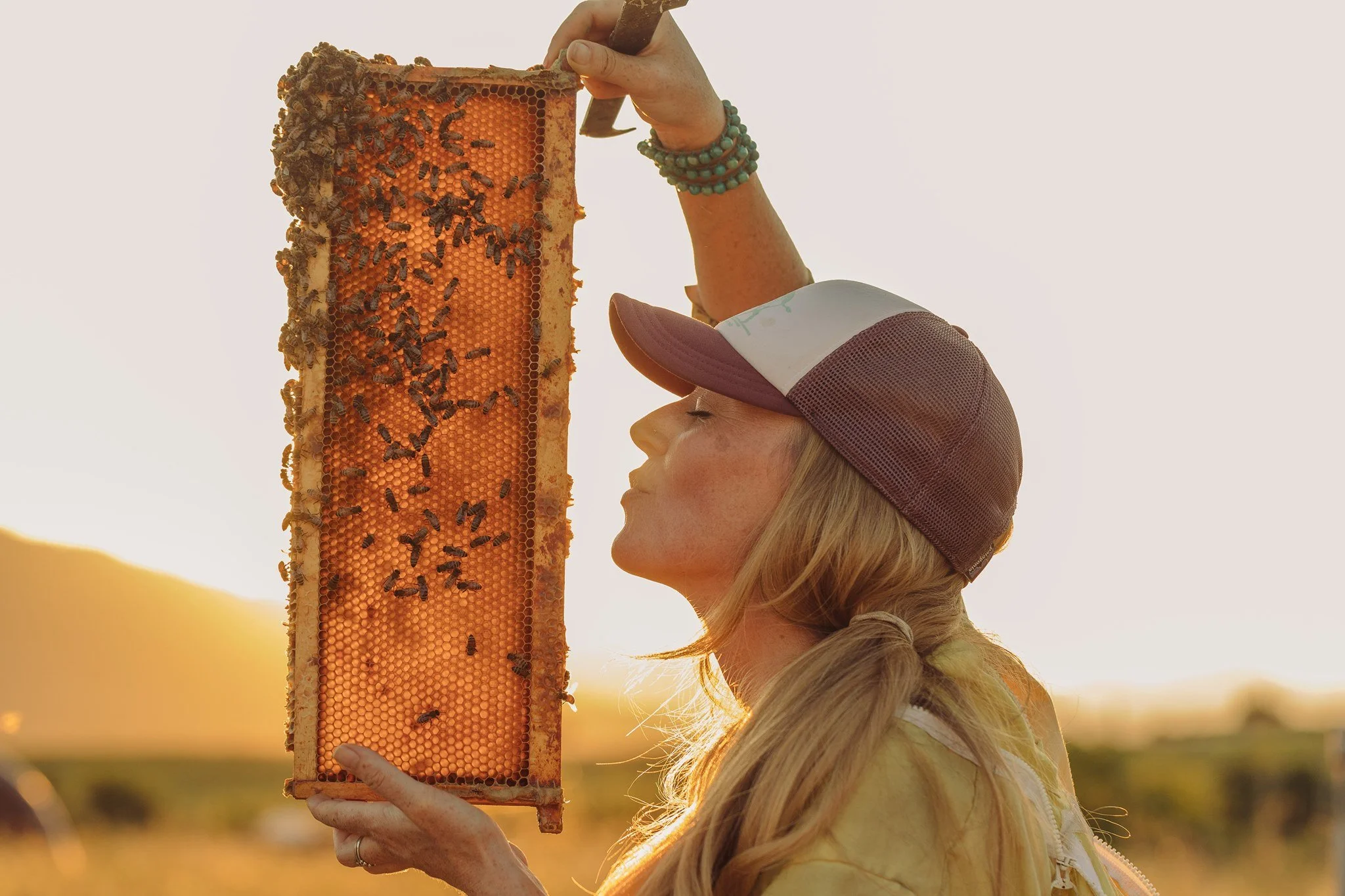
Bee Girl Honey
Bee Girl Honey is founder Sarah Red-Laird's small-batch honey, born from a bee-first approach to beekeeping. 100% of the profits support our bee research and education programs.
→ Order online (The Drift Co.)
→ Find more retailers & restaurant partners
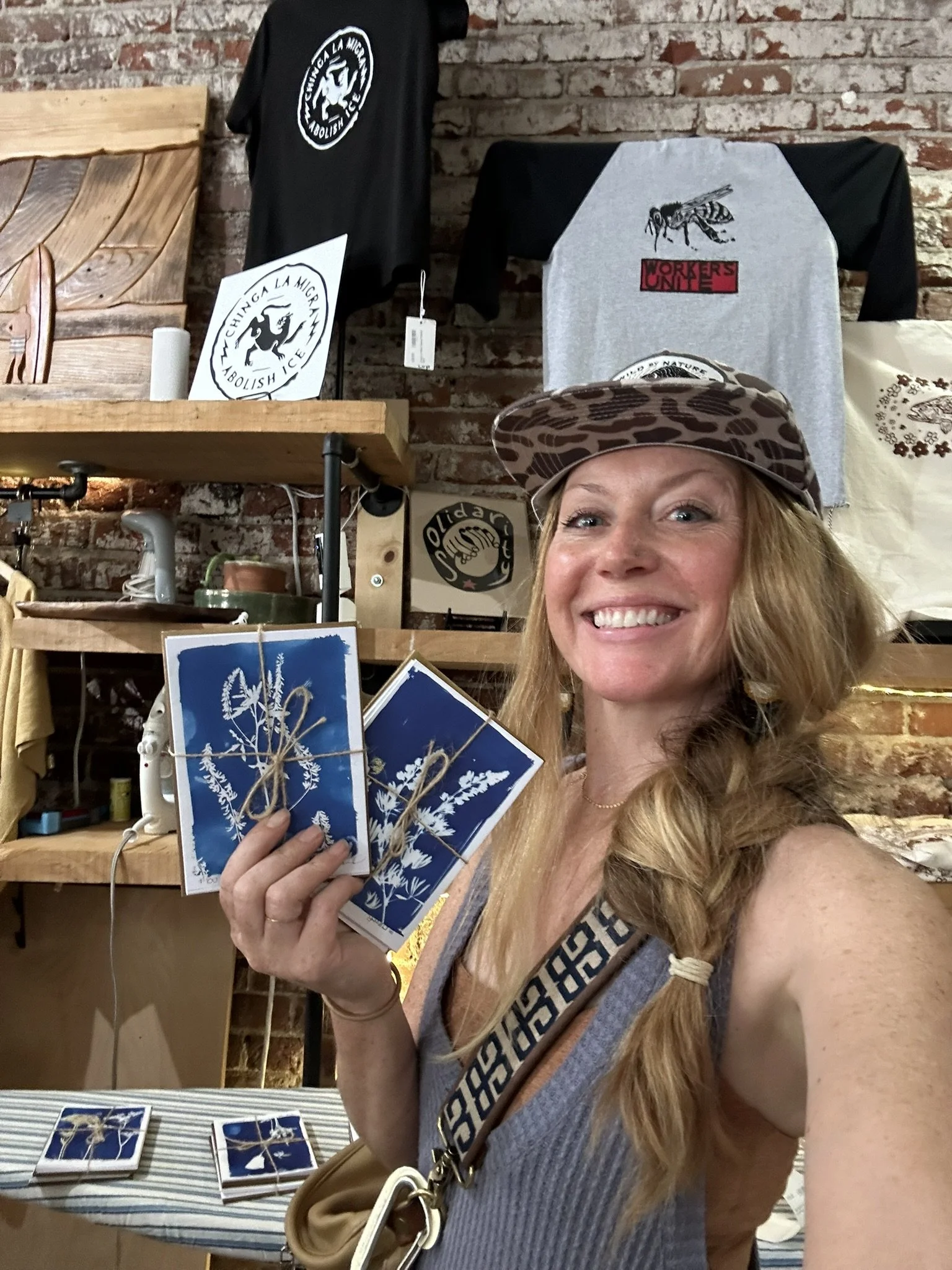
Bee Habitat in Cyanotype Cards
Greeting cards featuring Sarah's cyanotype artwork — a little piece of the bees-and-flowers world to send to someone you love.
Beef + Bison
Old Salt Co-op
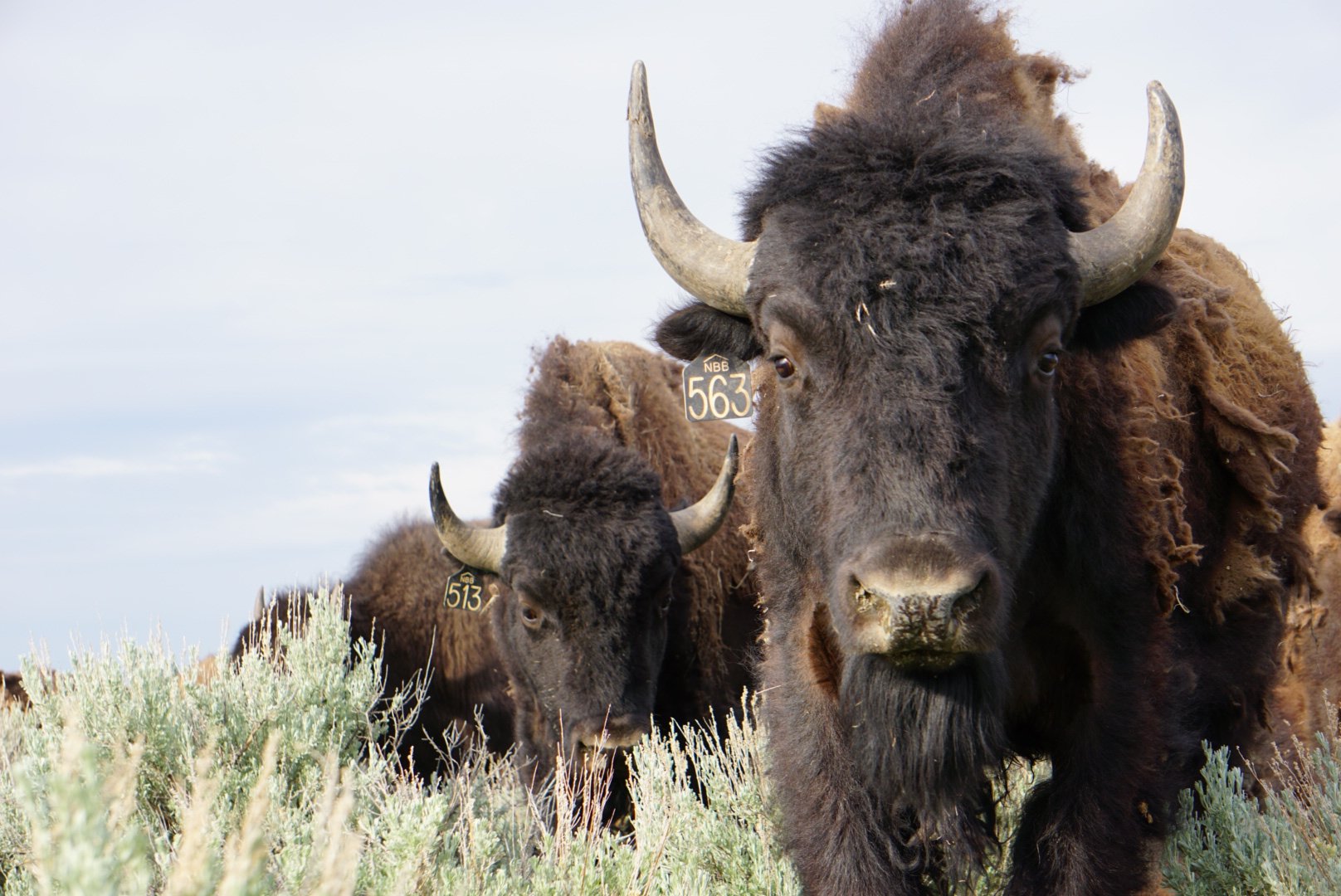
Beef from the ranches in our Greater Yellowstone bee-habitat work, including J Bar L. A rancher-owned Montana cooperative raising meat on lands that measurably improve soil and habitat. Order online, shipped nationwide. Shop →
North Bridger Bison
Grassfed, field-harvested bison from our Bison & Bee partner ranch in Wilsall, Montana — Audubon Bird-Friendly certified, raised to be healthy for you and the land. Order direct. Shop →
FOR RANCHERS & GROWERS
Regenerative agriculture is good for bees — and good for your bottom line. On the working lands we partner with, we're seeing what becomes possible when ranches and vineyards are managed for life.
WHAT WE’RE SEEING
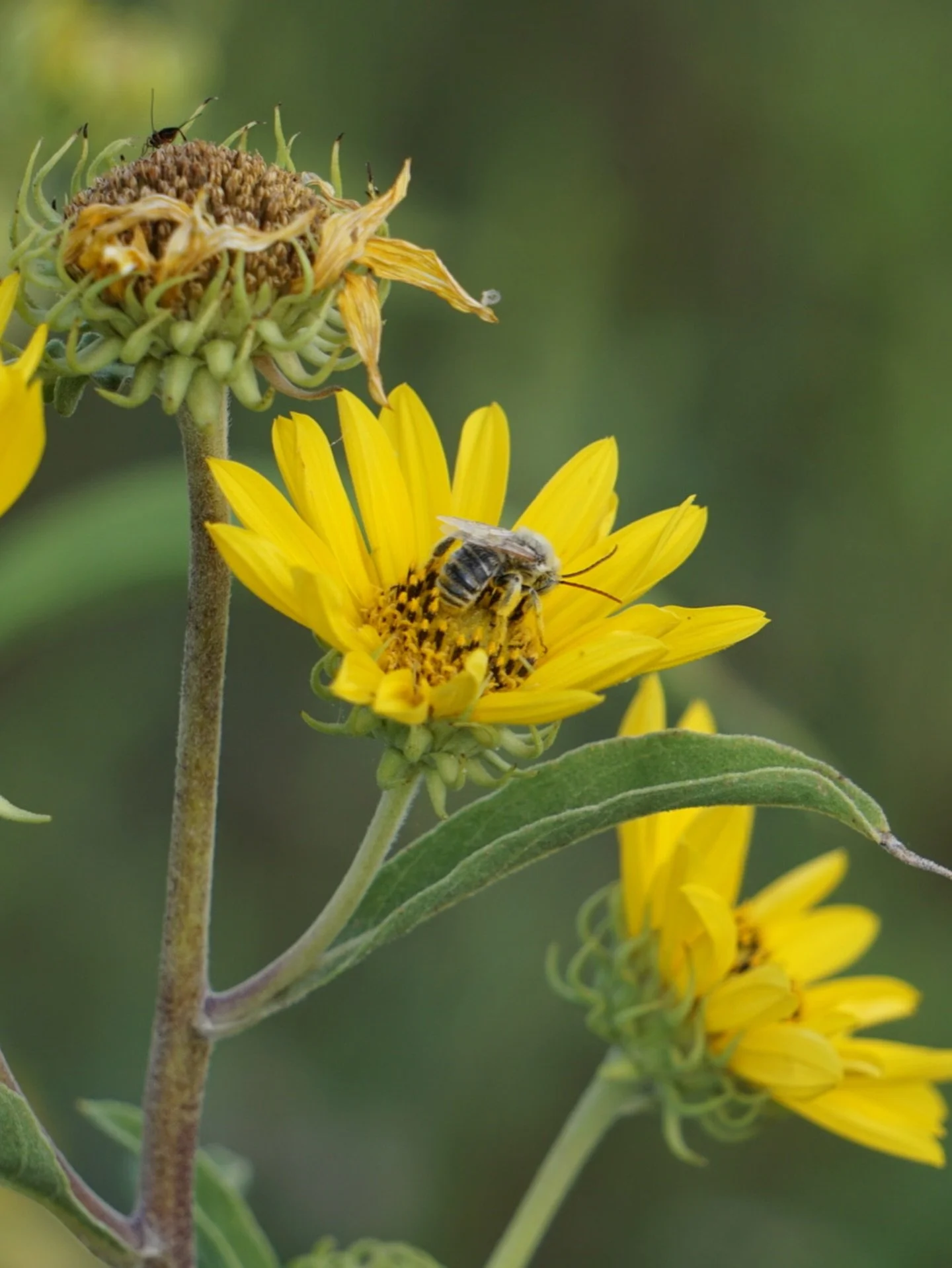
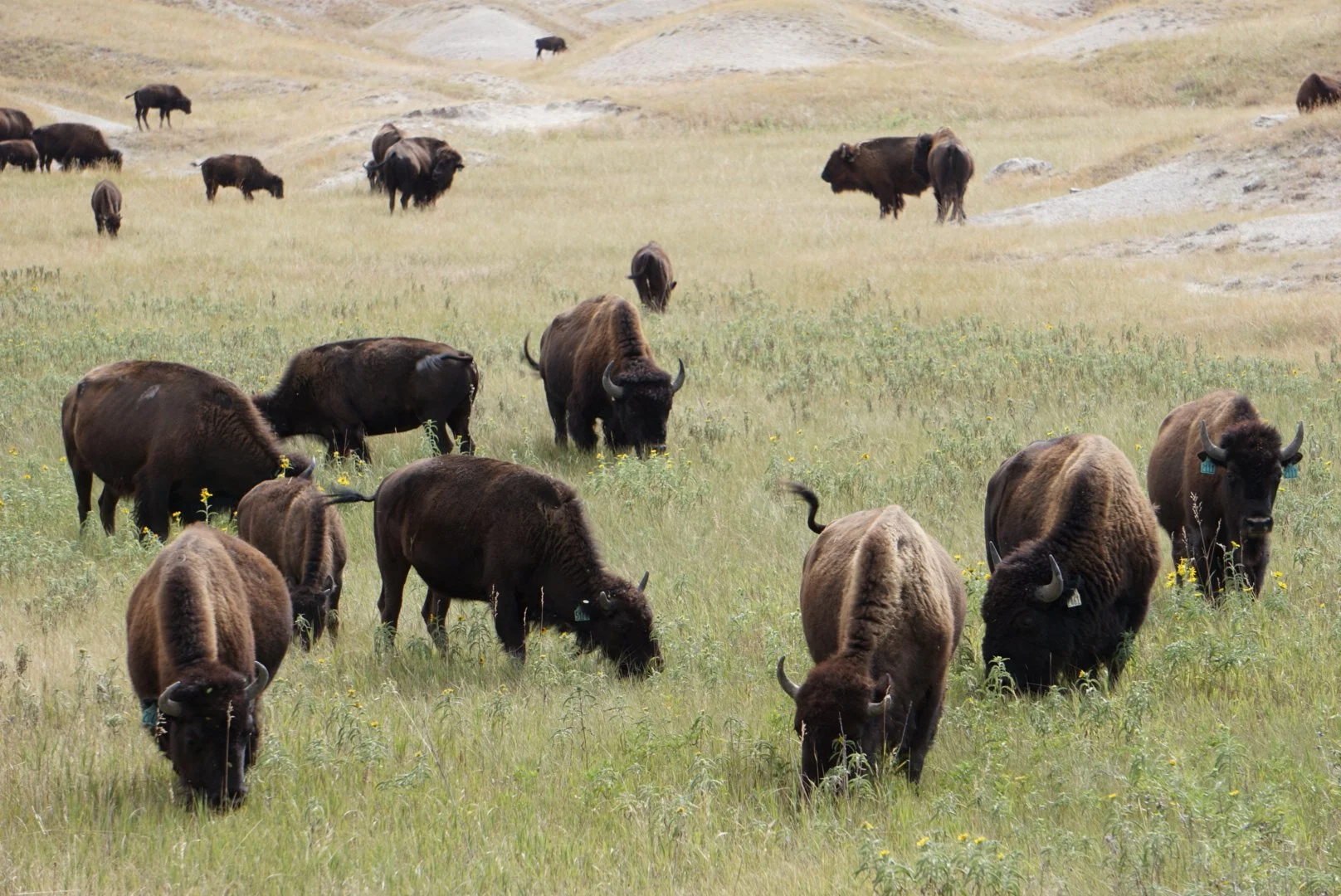
You can't always see healthy soil or a working water cycle — but you can see bees. A landscape humming with wild bees is one of the clearest signs the ground beneath it is alive: deep roots, diverse flowers, soil that drinks in the rain. On the ranches we partner with — the ones practicing holistic planned grazing and adaptive management — we're finding some of the richest, most diverse bee communities anywhere in the West. We're even finding rare bees that are vanishing across much of the country — including bumble bees rare enough to be on, and considered for, the Endangered Species List (the Western Bumble Bee and Southern Plains Bumble Bee) — alive and well on working cattle and bison ranches. That's the land telling its own story: the way these families graze and steward their ground is rebuilding habitat that's disappearing almost everywhere else. And the very things that bring bees back — flowers, living soil, water that stays in the ground — are the same things that grow forage and carry a ranch through a dry year.
Put it to work on your land.
You don't have to figure it out alone. These are trusted programs and toolkits to help you get started:
For Ranchers
Western Sustainability Exchange —
Rancher Network
A Montana-based peer network for regenerative ranchers: workshops, field tours, planning tools, and a community of producers figuring it out together. Visit →
Western Landowners Alliance —
Working Wild Challenge
Landowner-led tools for ranching alongside wildlife, including practical producer toolkits for range riding, fencing, and reducing predator conflict. Visit →
Holistic Management International
Training and resources in Holistic Management and planned grazing — the soil-and-grazing framework many regenerative ranches build on. Visit →
For Vineyard Managers
Regenerative Viticulture Foundation — RV Toolkit
A free, practical toolkit on the core practices of regenerative grape-growing: soil health, cover crops, biodiversity, and more, plus a plain-language glossary. Visit →
Napa Green — Weed Management Toolkit
A hands-on guide to going herbicide-free and building healthier vineyard soils, from the first winegrowing certification to require phasing out Roundup. Visit →
FOR BEES IN YOUR BACKYARD
You don't need a ranch to help bees — just a patch of ground, or even a pot on a porch. Everything here feeds both honey bees and our native bees. It comes down to three things:
Plant
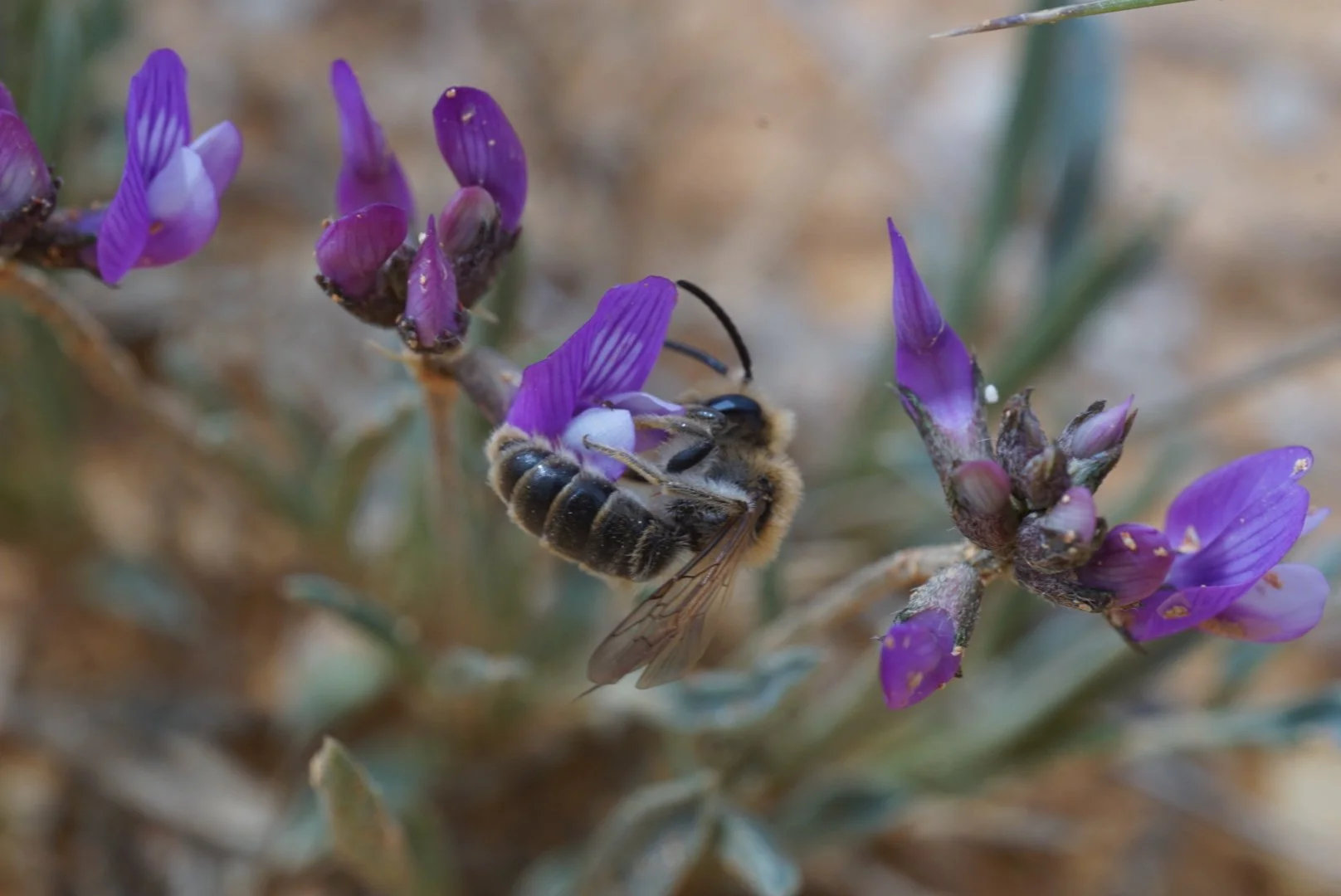
Fill your space with flowers that bloom from spring through fall, so there's always something in bloom for honey bees and native bees alike. For an easy, generous start from seed, you can't beat phacelia, cosmos, and sunflowers. Native plants are a gift to native bees, too — and the easiest way to succeed with them is to bring home already-started plants from a native plant nursery, or a local nursery with a native section.
Protect
Build ecological health instead of fighting problems with chemicals. When something looks wrong, reach for a Master Gardener's number before the spray bottle — healthy soil and a diversity of plants are what let your garden, and your bees, truly thrive.
Provide
Offer a shallow water source, leave some ground undisturbed, and let a corner go a little wild. Bare soil, leaf litter, and hollow stems are where most native bees make their nests.
Small choices, multiplied across millions of yards, add up to real habitat.
FOR DONORS
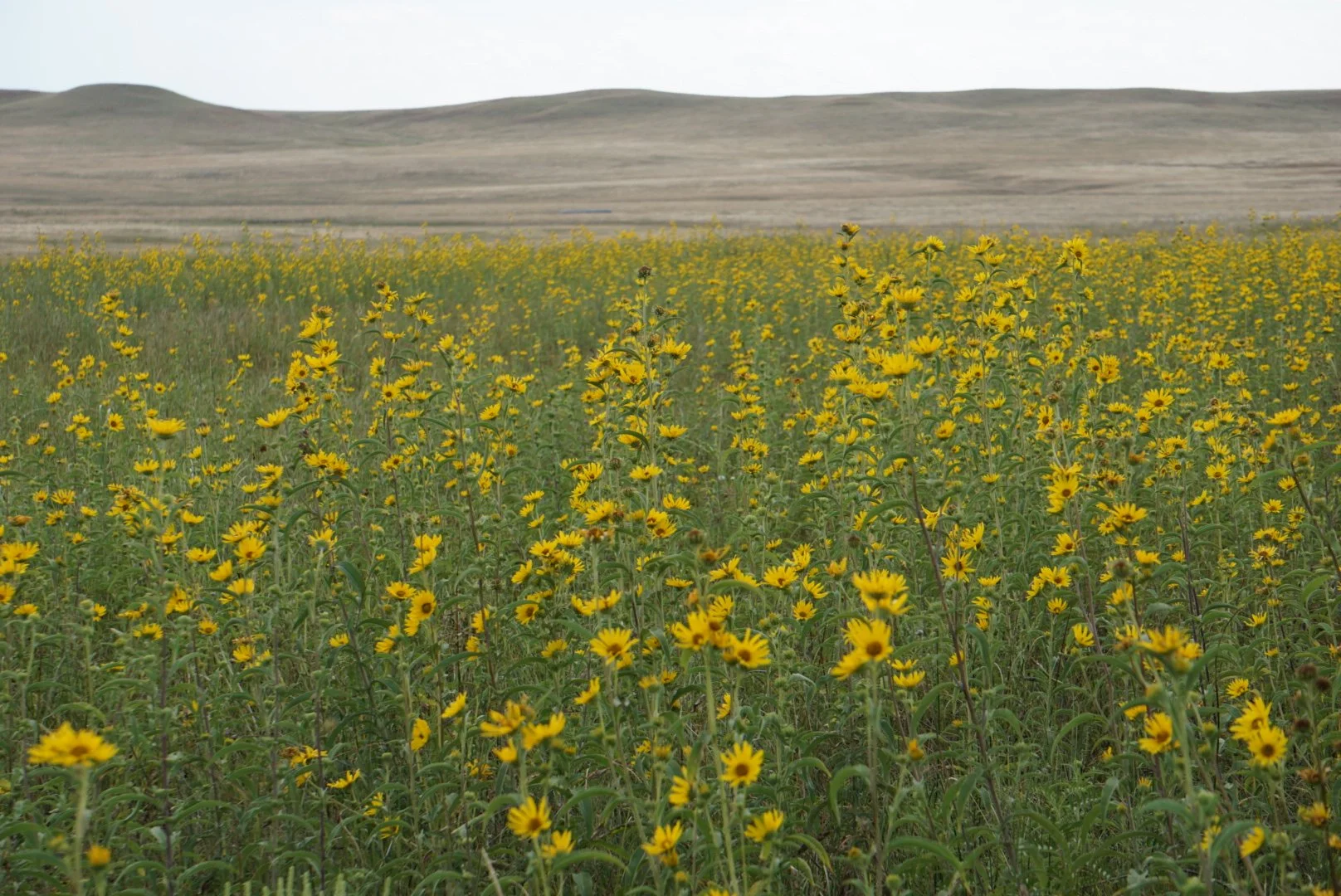
Save bees where it matters most — on the land that feeds us.
Bees give us one in every three bites of food, and they're disappearing. But we've seen what's possible: on the ranches and vineyards we work with, rare and threatened bees aren't just hanging on — they're thriving. That's the whole idea behind Bee Regenerative. We don't fence nature off from agriculture; we prove the two can heal each other.
Your gift powers Bee Regenerative's boots-on-the-ground research, habitat restoration, and rancher and winemaker partnerships — protecting imperiled pollinators and proving that agriculture and biodiversity can thrive together.
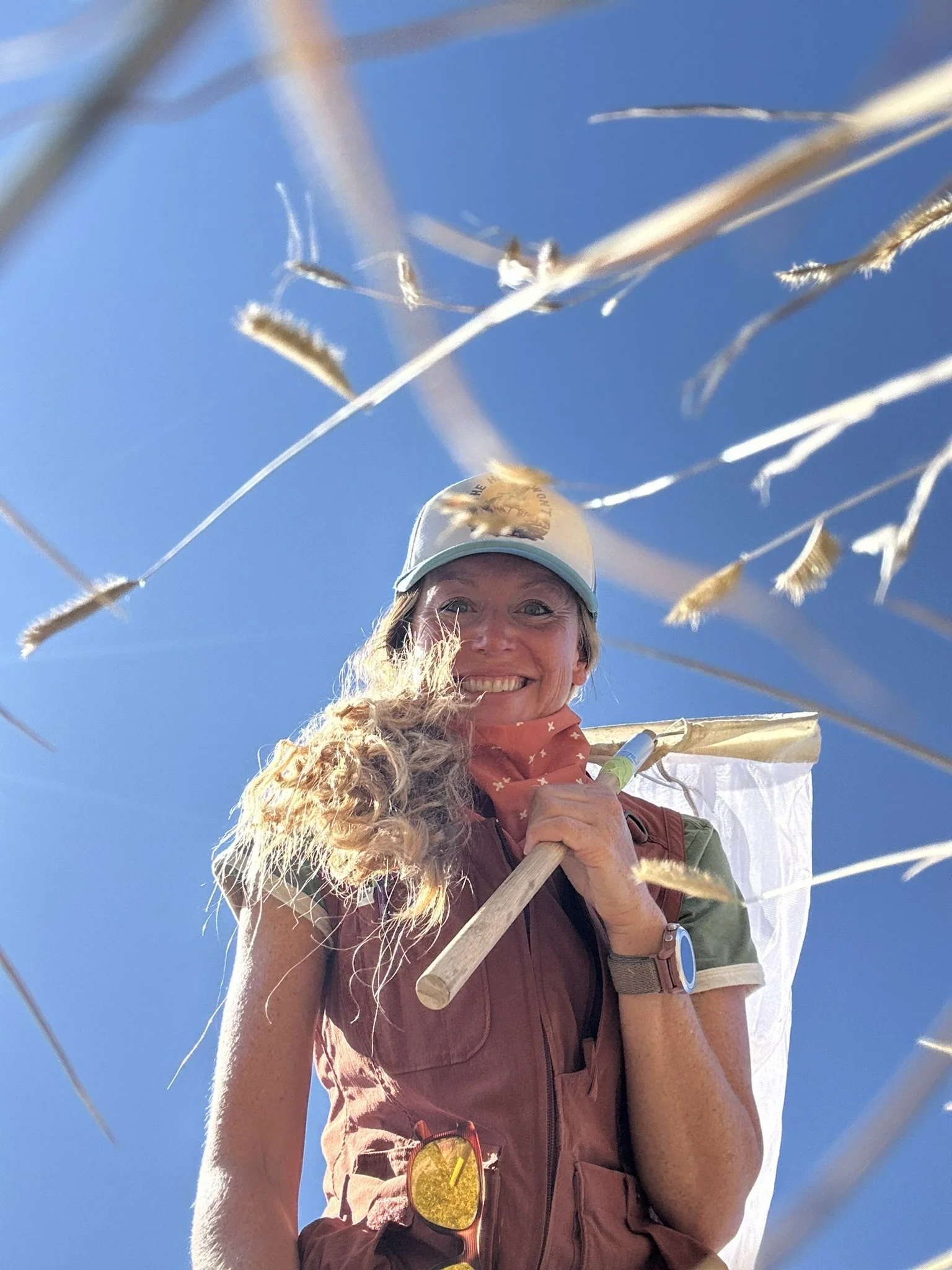
Here's the honest truth: the fun part to fund is the flowers. And that's what fundraising experts want us to ask you to give toward. I get it — I love planting native seed and watching a habitat bloom as much as anyone. But the work that drives all of it is grittier than that. A single field season runs about $80,000 once you include our taxonomist and data scientist, and a lot of that goes to deeply unglamorous essentials — tens of thousands of miles of fuel, lab supplies, weekly trips to the farmers market to support the ag community we're in, monitoring software, remote internet, and yes, the occasional varmint-chewed van engine repair. Another $10,000 or so each year sends us to agricultural and scientific conferences to share what we're learning with the peers who can replicate and amplify it. None of it is flashy. All of it is what makes the science real. Your gift covers the parts that keep this work in the field — and moving the whole field forward.
A little something back:
Every donor gets a free subscription to our Donors-Only section on Substack — an exclusive inside look at the work, with observations, musings, and mind-wanderings from founder and director Sarah Red-Laird.