
Inspiring and advancing
bee conservation
on agricultural landscapes.
Bee Regenerative is a women-led nonprofit that advances pollinator conservation through applied research partnerships on working ranches and vineyards across the Western United States.
Our mission is to integrate bee habitat restoration into regenerative agricultural systems while conducting rigorous scientific monitoring that informs land management practices.
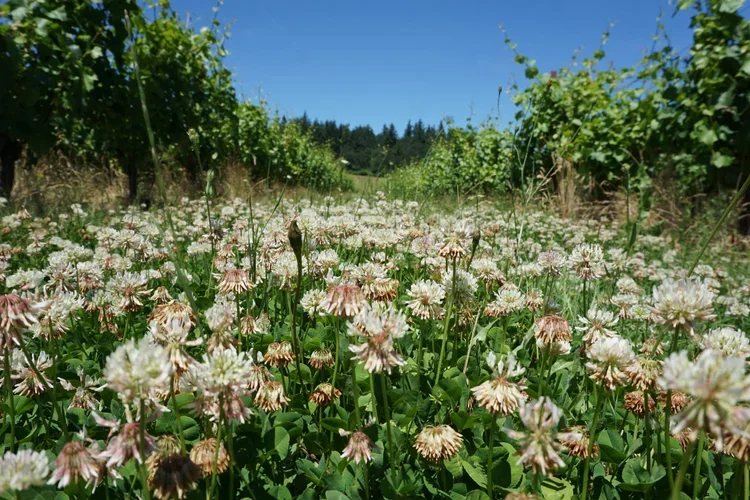
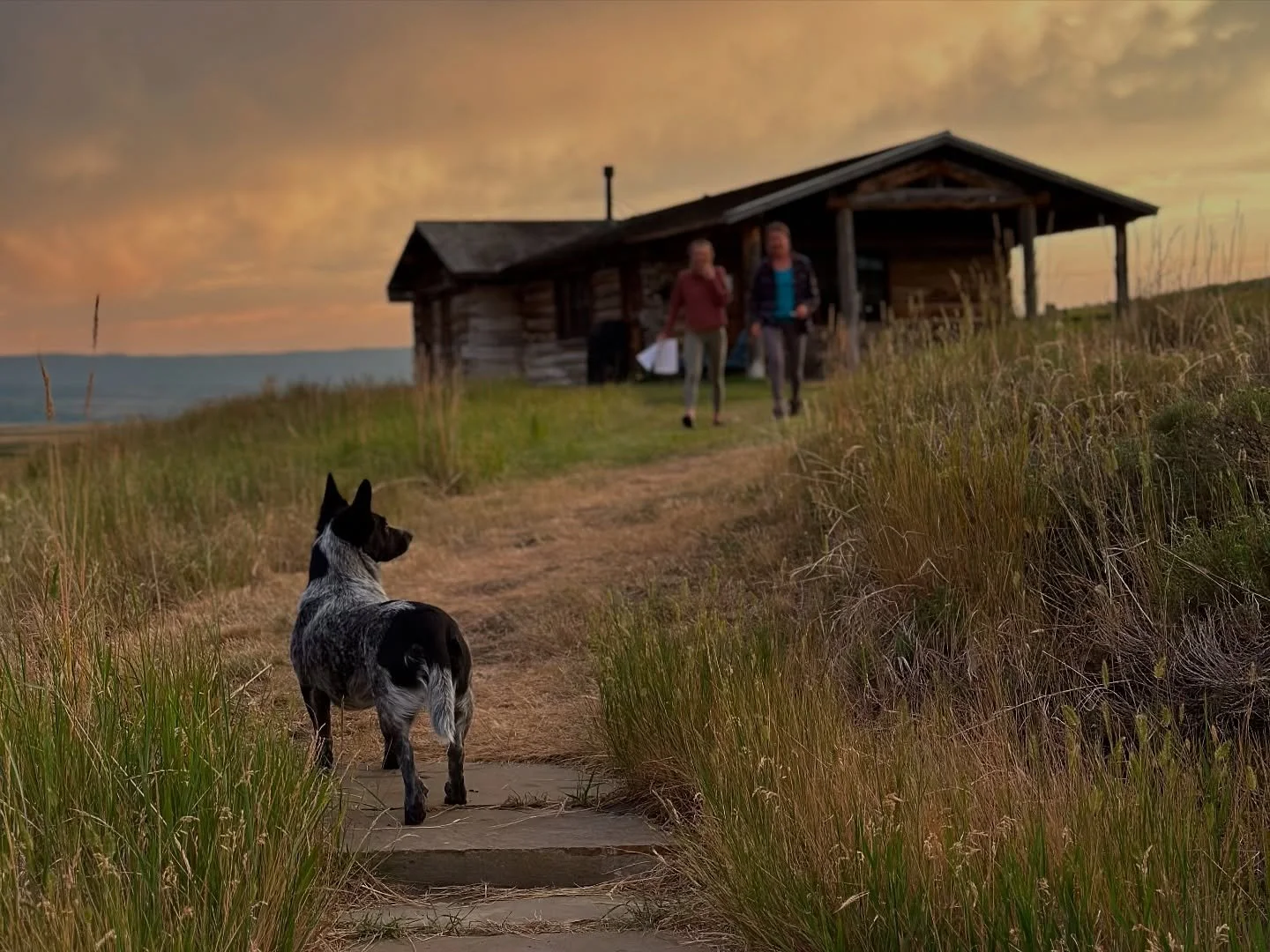
We work directly with ranchers and winemakers to create pollinator-friendly landscapes on working lands, demonstrating that agricultural productivity and biodiversity conservation can coexist.
Our work addresses three interconnected goals:
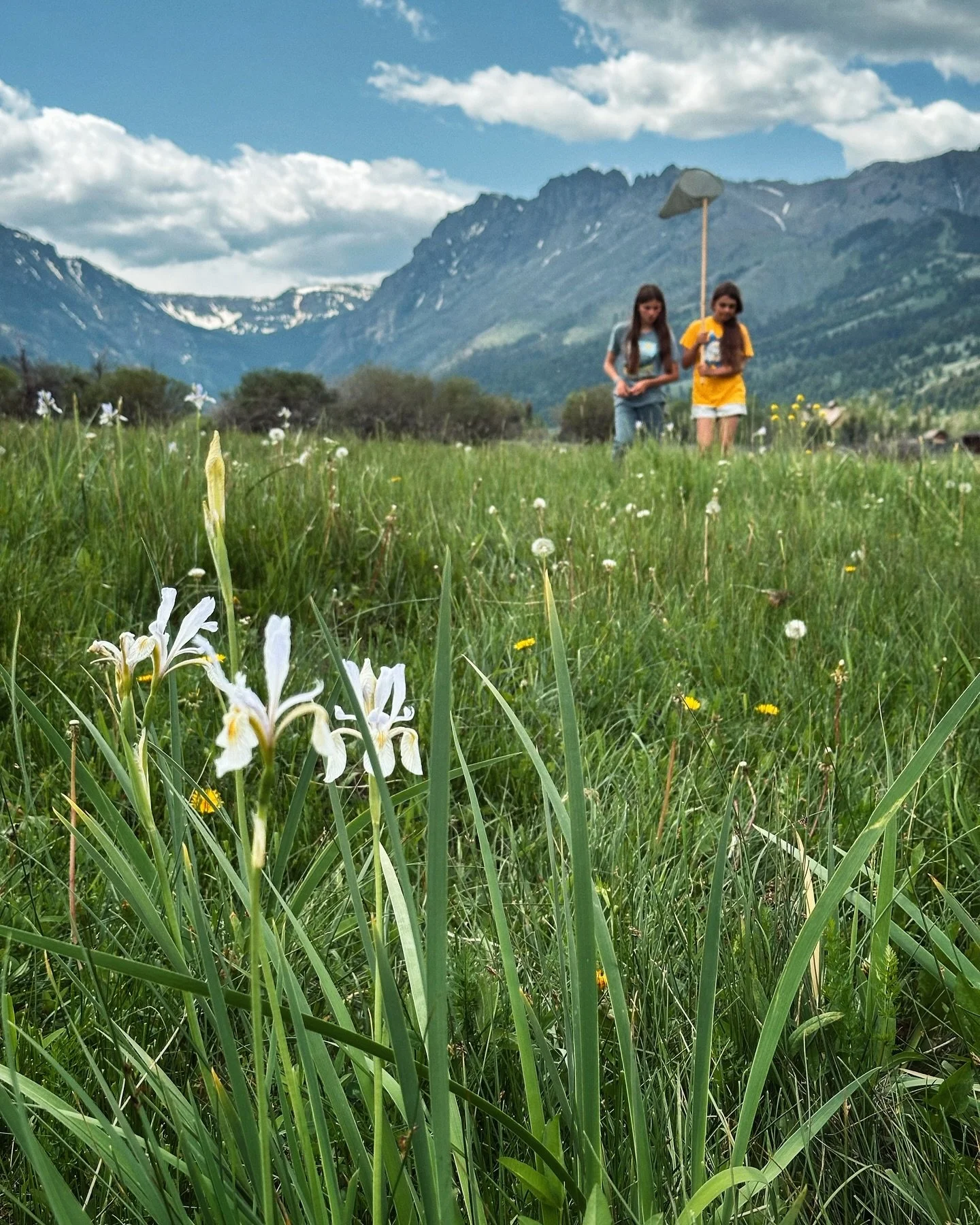
First, we conduct standardized bee monitoring and habitat assessments on ranches and vineyards, documenting species diversity and abundance while identifying management practices that support pollinator health. This research fills critical knowledge gaps about how regenerative grazing and viticulture practices affect native bee populations.
Second, we translate scientific findings into practical land management recommendations that producers can implement, including cover crop selection, grazing timing adjustments, and pesticide reduction strategies.
Third, we build public understanding of the connection between regenerative agriculture and pollinator conservation through storytelling (keynotes, essays, and technical articles), educational programming, retreats, field days, and narrative art exhibitions.
⬡
15 years on the land
⬡
150,000+ acres under conservation partnership
⬡
130+ native bee species documented
⬡
5 imperiled bumble bees found on working lands
⬡ 15 years on the land ⬡ 150,000+ acres under conservation partnership ⬡ 130+ native bee species documented ⬡ 5 imperiled bumble bees found on working lands
Save bees where it matters most — on the land that feeds us.
Your gift powers Bee Regenerative's boots-on-the-ground research, habitat restoration, and rancher and winemaker partnerships — protecting imperiled pollinators and proving that agriculture and biodiversity can thrive together.